Why some skills only click in person
You can learn a lot from a video. But try learning to hold a chisel, a saxophone or a toddler from one.
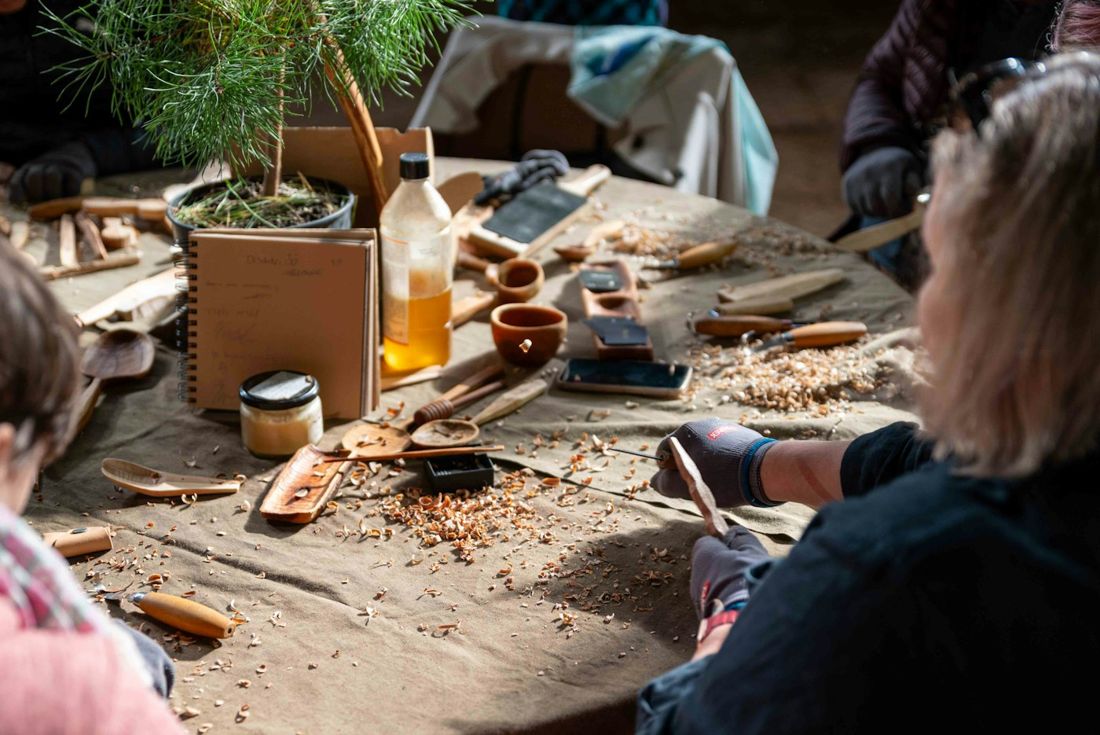
Hands-on learning, the way it usually happens: with the real thing, next to someone who knows it.
Watch a good tutorial and you'll pick up the steps. Then you pick up the real thing, and nothing works the way it did on the screen. The gap between knowing the steps and being able to do them is where most of us give up.
- Videos teach the steps. People teach the feel.
- In the same room, a good teacher spots what you can't.
- Learning next to someone makes it easier to try, and to try again.
1A video can't see you
A video can't tell that your grip is too tight, that you're holding your breath, or that you're rushing the part that matters. A person standing next to you notices in seconds, and says the one thing that fixes it.
A video gives you
- The steps, in order
- A pace you choose
- Replays, any time
A person adds
- Eyes on what you're doing
- A fix in the moment
- How it should feel
2Some knowledge lives in the hands
Experts rarely think about how they do what they do. They feel it: how hard to press, when a note is ready, which way the wood wants to split. That kind of know-how is hard to put into words and easy to show.
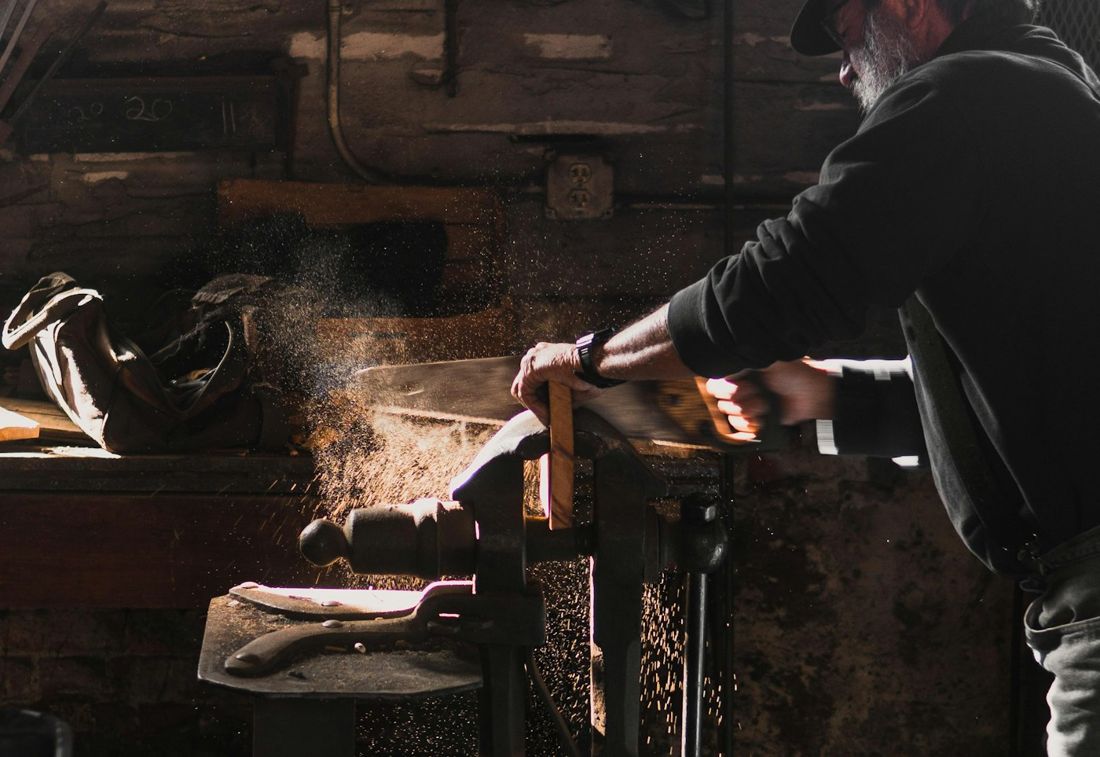
Knowing the steps is not the same as being able to do them.
3You can ask the question you didn't know you had
Courses answer the questions their authors expected. A person answers yours, including the awkward beginner ones, and follows the tangent that turns out to be the whole point.
4It's also just nicer
Learning next to someone feels different. You're more likely to try, to get it wrong a little, and to try again. Part of that is attention: when someone gives you theirs, you give them yours.
Try it: your first session
- Bring the real thing: the instrument, the tools, the shoes. Don't borrow a lesson, borrow a person.
- Say what you can already do. It lets them skip what you know and start where you're stuck.
- Ask for one thing to practise before you meet again.
5That's the idea behind Humanchat
Humanchat is a way to meet someone who is really good at something and learn it together, in person, at a place that suits you both. We're not open yet, and we're starting in London. If that sounds like how you'd like to learn, or something you'd like to teach, join the waitlist.